What is Anemia?
Anemia is a common blood condition. It happens when your body does not have enough healthy red blood cells. These cells carry oxygen to your organs. Because of this, anemia can make you feel tired or weak. In the United States, anemia affects many people of all ages. However, it is more common in women and older adults. Knowing about anemia can help you spot the signs early and get the right care.
Common Symptoms of Anemia
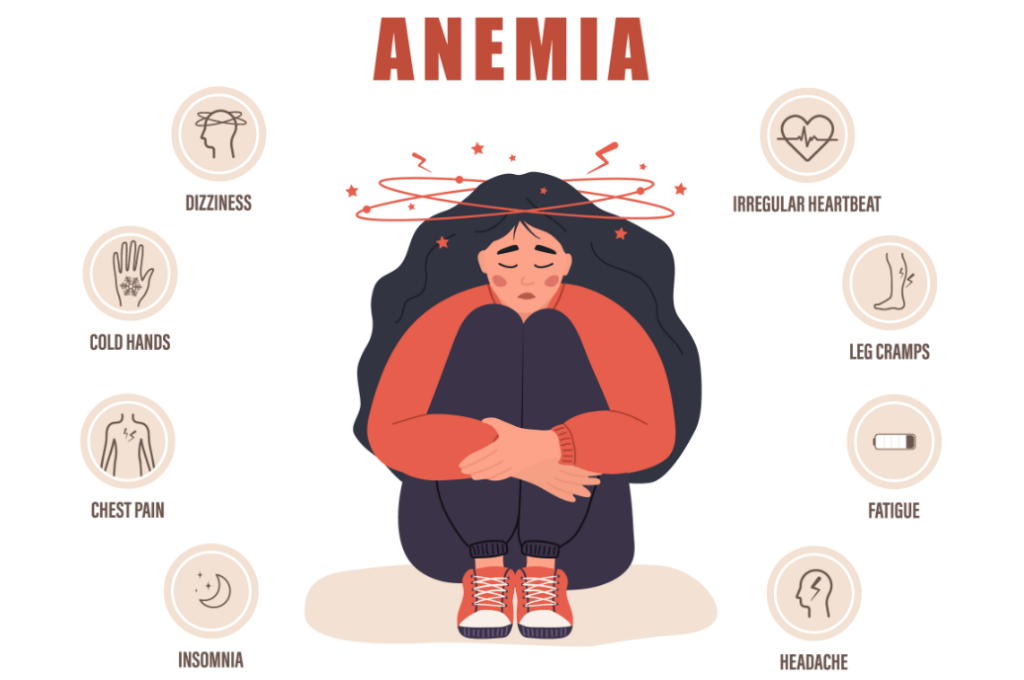
Many people with anemia notice changes in how they feel. For example, you may feel tired even after resting. Other symptoms can appear slowly or suddenly. If you have anemia, you might notice:
Sometimes, symptoms are mild at first. But as anemia gets worse, they can become more noticeable. Therefore, it is important to pay attention to these signs.
Causes of Anemia
There are many causes of anemia. Some causes are simple, while others are more serious. The most common causes include:
In addition, some medicines or treatments can lead to anemia. For example, chemotherapy may affect blood cell production. Because there are many causes, finding the reason is key to proper treatment.
How Anemia is Diagnosed
Doctors use several steps to diagnose anemia. First, they ask about your symptoms and health history. Next, they do a physical exam. After that, blood tests help confirm anemia. The most common test is a complete blood count (CBC). This test checks your red blood cell levels. Sometimes, doctors order more tests to find the cause. For example, they may check your iron, vitamin B12, or folic acid levels. In some cases, other tests are needed to look for bleeding or chronic diseases. Early diagnosis helps guide the best anemia treatment.
Treatment Options for Anemia
Treating anemia depends on the cause. However, most treatments aim to raise your red blood cell count. Common anemia treatment options include:
Sometimes, treating the cause can cure anemia. For example, fixing a bleeding problem may help. Always follow your doctor’s advice for the best results.
Lifestyle Tips and Prevention
There are steps you can take to help prevent anemia. For instance, eating a balanced diet is important. Try to include foods rich in iron, vitamin B12, and folic acid. Some good choices are:
In addition, regular check-ups can help spot anemia early. If you have a chronic illness, managing it well can lower your risk. Therefore, healthy habits play a big role in preventing anemia.
When to See a Doctor
If you notice signs of anemia, it is important to talk to a doctor. For example, if you feel tired all the time or have trouble breathing, seek help. Also, if you have a family history of anemia or chronic illness, regular check-ups are wise. Early treatment can prevent problems and improve your health. Do not ignore symptoms, as they may point to other health issues as well.
In summary, anemia is a common but treatable condition. With the right care, most people can feel better quickly. Consult Dr. Shivaraj Reddy K for personalized advice about anemia.