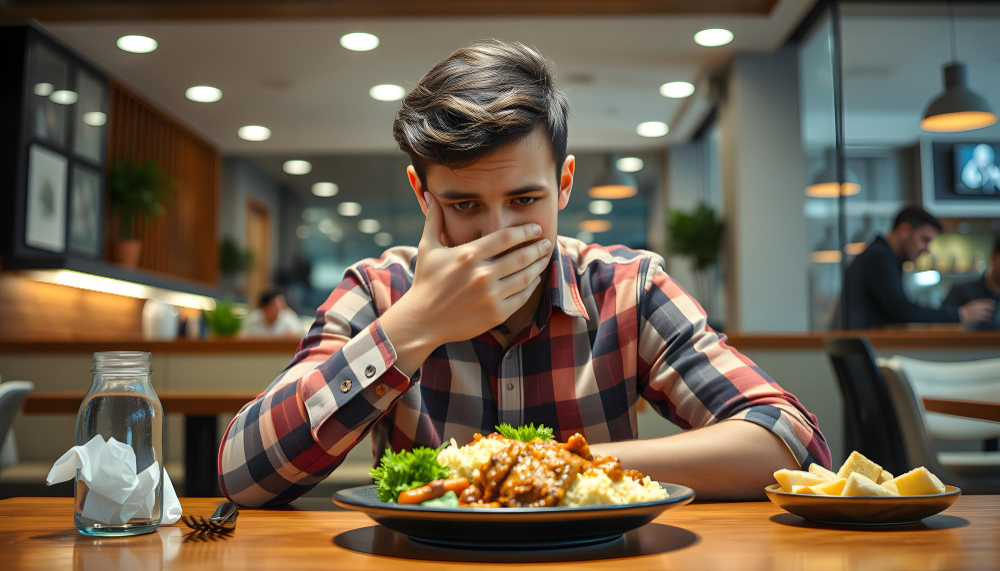
Introduction
Food poisoning is a common illness that affects millions of people each year. It happens when you eat food or drink water that contains harmful germs or toxins. Because anyone can get food poisoning, it is important to know the signs, causes, and ways to prevent it. Understanding food poisoning helps you stay safe and protect your loved ones.
What is Food Poisoning?
Food poisoning is an illness caused by eating food or drinking water that has harmful bacteria, viruses, or toxins. These germs can make you sick quickly, sometimes within hours. Usually, food poisoning is mild, but it can be serious, especially for young children, older adults, and people with weak immune systems.
Common Symptoms of Food Poisoning
Symptoms of food poisoning can start within a few hours or take a few days to appear. However, most people notice signs within one day. The most common food poisoning symptoms include:
Sometimes, symptoms can be more severe. For example, you may see blood in your stool or vomit, or you may feel very weak. If this happens, you should seek medical help right away.
Causes and Risk Factors
Food poisoning is usually caused by germs that get into food or water. The main causes include:
Some people are at higher risk for food poisoning. For instance, young children, pregnant women, older adults, and people with weak immune systems can get sicker than others. In the United States, food poisoning is more common in the summer because germs grow faster in warm weather.
How is Food Poisoning Diagnosed?
Doctors usually diagnose food poisoning by asking about your symptoms and what you have eaten. Sometimes, they may order tests, such as:
In most cases, tests are not needed. But if your symptoms are severe or last longer than a few days, you should see a doctor. Early diagnosis can help prevent complications.
Treatment Options
Most people recover from food poisoning at home. However, it is important to stay hydrated. Here are some standard treatments and home care tips:
Sometimes, you may need medicine to stop nausea or diarrhea. But you should not take these without talking to a doctor. If you have a high fever, blood in your stool, or signs of dehydration, seek medical help right away. In rare cases, you may need antibiotics or hospital care.
Prevention Tips
Preventing food poisoning is possible with simple steps. For example, you can:
By following these tips, you can lower your risk of getting sick from food poisoning.
When to Seek Medical Attention
Sometimes, food poisoning can be dangerous. You should see a doctor if you have:
Early treatment can help prevent serious problems. Do not wait if you feel very sick.
Conclusion
Food poisoning is common but often preventable. By knowing the symptoms, causes, and prevention tips, you can protect yourself and your family. If you suspect food poisoning, consult Dr. Shivaraj Reddy K for personalized advice.